More Open Doors, Less Gatekeeping: Karen Oliva on College Access and Counseling

Like many first-generation college students, Campaign Policy Impact Fellow Karen Oliva embarked on a college pathway with help from adults in her educational circle who saw her potential. Growing up in LA’s Koreatown, the daughter of immigrants from El Salvador, Karen heard “You’re going to college” from her parents, “but none of us knew what that meant.” In middle school, a teacher helped Karen apply for the School for Advanced Studies (SAS) at a nearby high school, which eventually led to a degree in sociology and education at Occidental College, a small liberal arts college once attended by Barack Obama.
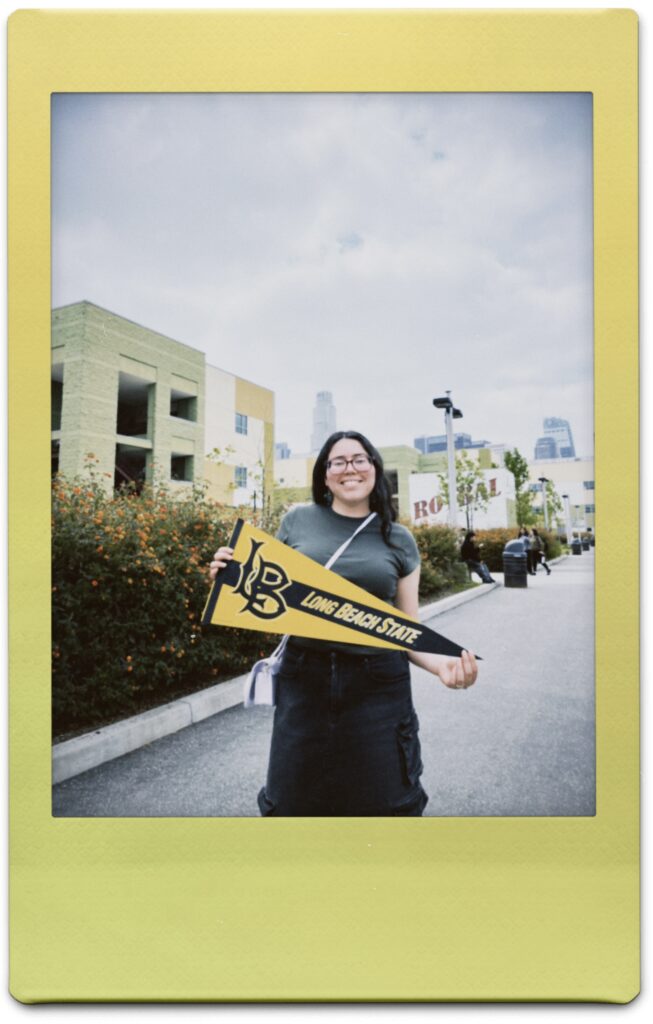
As Karen continued her learning both inside and outside the classroom, she grew critical of the system. She also notes that partner organizations (such as GEAR UP and TRIO) that have traditionally embedded in high schools to support college access have been the victims of federal funding cuts. A desire to make higher education more accessible is why she is working toward a master’s degree in school counseling at CSU Long Beach and helping the Campaign’s Policy team address the impact and implementation of student-centered reforms.
“Providing direct services to students for a few years as an academic advisor to high school students, I’ve been able to see negative impacts” of mismanaged policies, Karen says. “When the new FAFSA came out [via a heavily criticized rollout], it wreaked so much havoc for students and parents. But also, I’ve seen the positive impact of policies like the ADT [Associate Degree for Transfer]. It’s opened a lot of doors for students.”
Karen is working with the Policy team to conduct focus groups around the Student-Centered Funding Formula (which provides funding for California Community Colleges based in part on student outcomes) and equitable placement and completion of transfer-level courses—all with the goal of ensuring that landmark policies have the intended results.
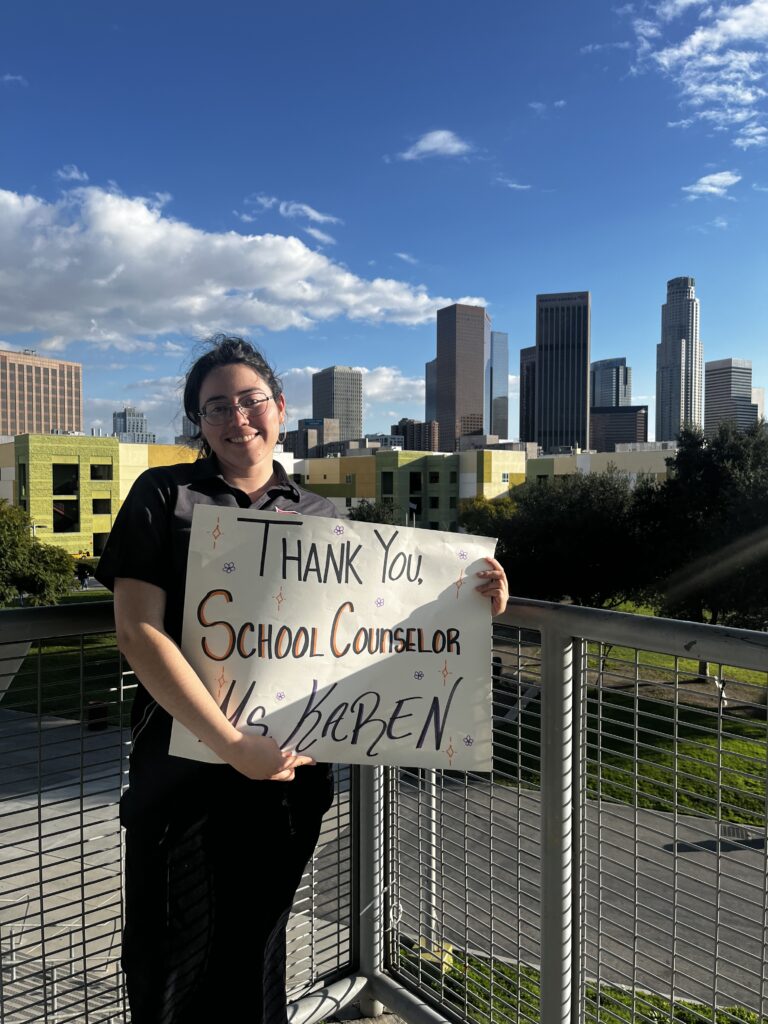
Karen hopes to apply her learning to a future position as a high school counselor. She knows that many students—both low-income and middle class—don’t have an easy road to college and career.
“My perspective on college and what it means to have a good education has changed,” Karen says. “I feel a little more disillusioned because my generation was promised upward mobility if we earned a bachelor’s degree. But that didn’t happen for a lot of us.”
That erosion of faith in higher education is part of the reason the Campaign prioritized economic justice in our most recent strategic plan, and highlights institutions that are making college affordable and completable (see our Equity Exemplars series and our latest spotlight on De Anza College).
Recalling her strong desire to attend a private college or a UC, Karen admits, “It makes me cringe now, but I did have an elitist perspective back then.” Now she sees California’s many public options in a different light, and passes the message along to students.
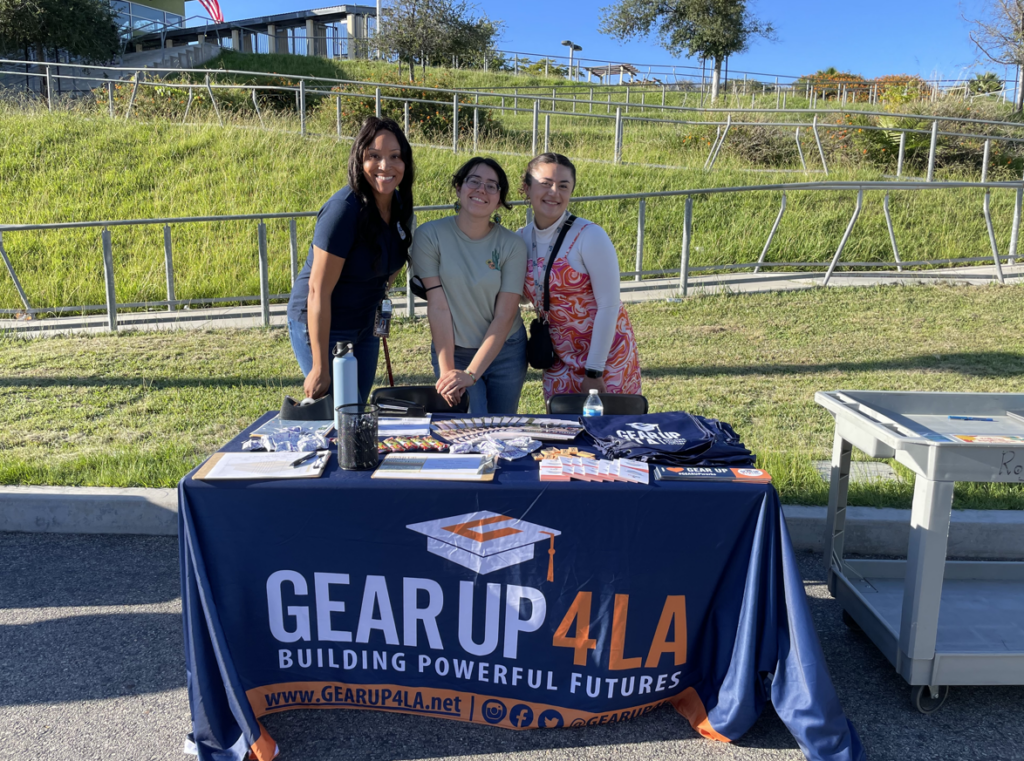
Karen’s story is just one example of what’s possible when emerging leaders are given the opportunity to grow, lead, and advocate for students.
“As a future counselor, I want to ensure my students are informed about all the postsecondary education opportunities available and support them in pursuing the path that feels best for them,” Karen says.
By supporting The Campaign’s Steve Weiner and David Wolf Founder Fellowship Program, you’re investing in future counselors, policymakers, researchers, and advocates who are working to build a higher education system where every California student has the opportunity to succeed.
Gifts to the Steve Weiner and David Wolf Founder Fellowship don’t just fund a stipend, they fund the pipeline of counselors like Karen who’ll be advising the next generation of first-gen students.