Elizabeth Bluth Combines an Array of Experiences to Make Education Equitable

The daughter of a sixth-grade special education teacher and a small business owner, Campaign Policy Fellow Elizabeth Bluth describes her upbringing as “middle class.”
“My mother instilled in me a love of learning and an interest in earning a college education from a very young age,” Elizabeth says.
When we talk about economic mobility at the Campaign for College Opportunity, we often cite the ways a college degree can help students from lower-income families enter professional careers and build greater economic security. It can be easy to overlook that mobility can flow in both directions, but it is a reality Elizabeth knows all too well.
When her father lost his business, her family’s financial circumstances changed significantly, along with their ability to help pay for college.
Looking back, Elizabeth says the experience changed how she understood both her own upbringing and the systems students are expected to navigate.
“I recognize how difficult the experience was, but I also know that it helped me see the privileges I had grown up with and how our current systems and institutions benefit some students, and make success incredibly challenging for others.”
Today, she brings that perspective to her fellowship with the Campaign’s Policy team, where she is supporting our 2026 Policy Agenda by writing letters of support and monitoring bill hearings. The agenda includes priorities focused on college affordability, including increased Cal Grant awards, as well as creating a student-centered framework for implementing new Workforce Pell Grant programs.
She plans to make workforce development and college-to-career pathways the focus of her capstone project, which each Policy Fellow completes on a topic of their choosing.
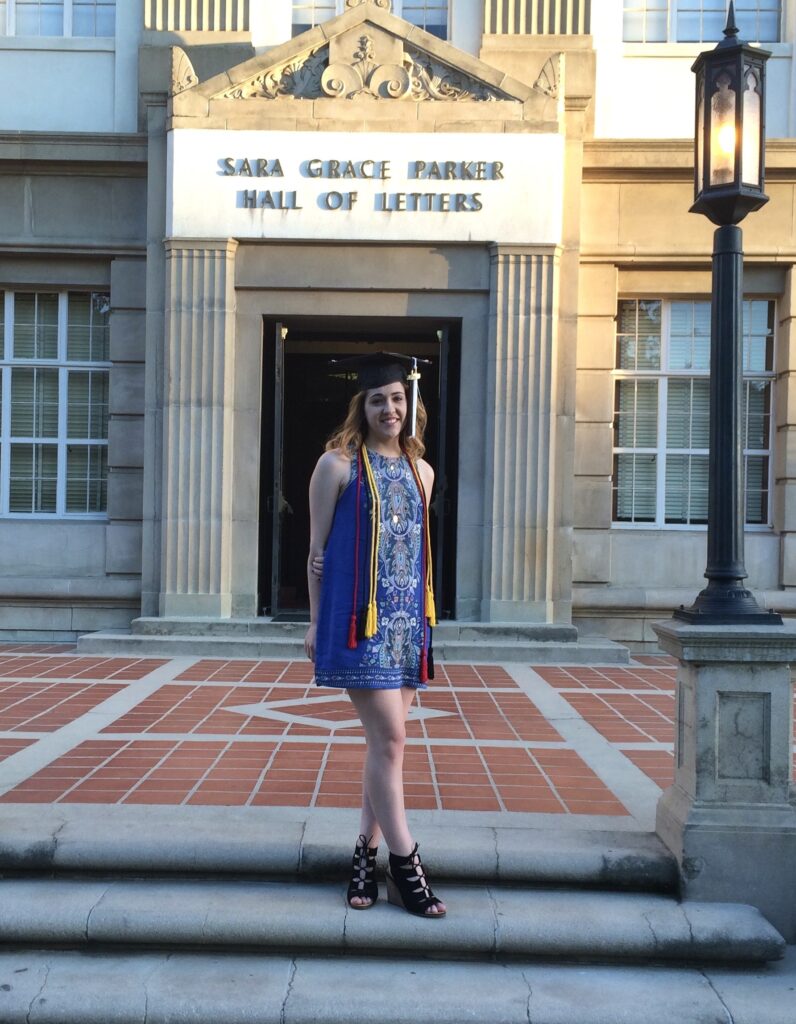
Advocating for public higher education policy might appear to be many steps removed from earning a Master of Fine Arts degree at The New School, a private university in New York City where Elizabeth studied fiction, poetry, and creative nonfiction. But for Elizabeth, who recently completed a Master of Education at the University of Southern California, the arts enrich and inform her present pursuits.
“The skills I learned in both theater [which she studied as an undergraduate] and creative writing have been integral to my success in my current work in student support and education policy,” she says.
Those skills now show up in writing advocacy letters, developing student-centered communications campaigns, and creative problem-solving.
Her experiences attending private universities also gave her insight into “institutional politics, funding, and different institutional management styles.”
Elizabeth is considering pursuing a doctoral degree in education policy and hopes her next educational experience will bring her to a University of California or California State University campus.
“The California university systems are so robust and have great reputations,” she says. “Public higher education institutions benefit from the connected system of educators and administrators within the community colleges, CSUs, and UCs.”
That connection, she says, creates opportunities for leaders to work together on shared challenges. She also sees value in the public accountability and transparency that come with governmental policy and funding decisions.
The need for greater coordination across California’s education systems is why the Campaign advocated for a California Education Interagency Council for more than a decade. In fall 2025, we celebrated the passage of legislation that launched the Council. This year, we are working to ensure it remains properly funded and to inform its members about the most pressing issues facing students.
For Elizabeth, it is another example of the power policy can have to either create barriers or remove them.
“Education policy shapes the way our institutions work, from curriculum to funding to support programming and resources,” Elizabeth says. “It also determines who gets a seat at the table and who is excluded. Historically, higher education policy has been used to gatekeep access and information, but it can be used to create opportunity and ensure equity and access.”
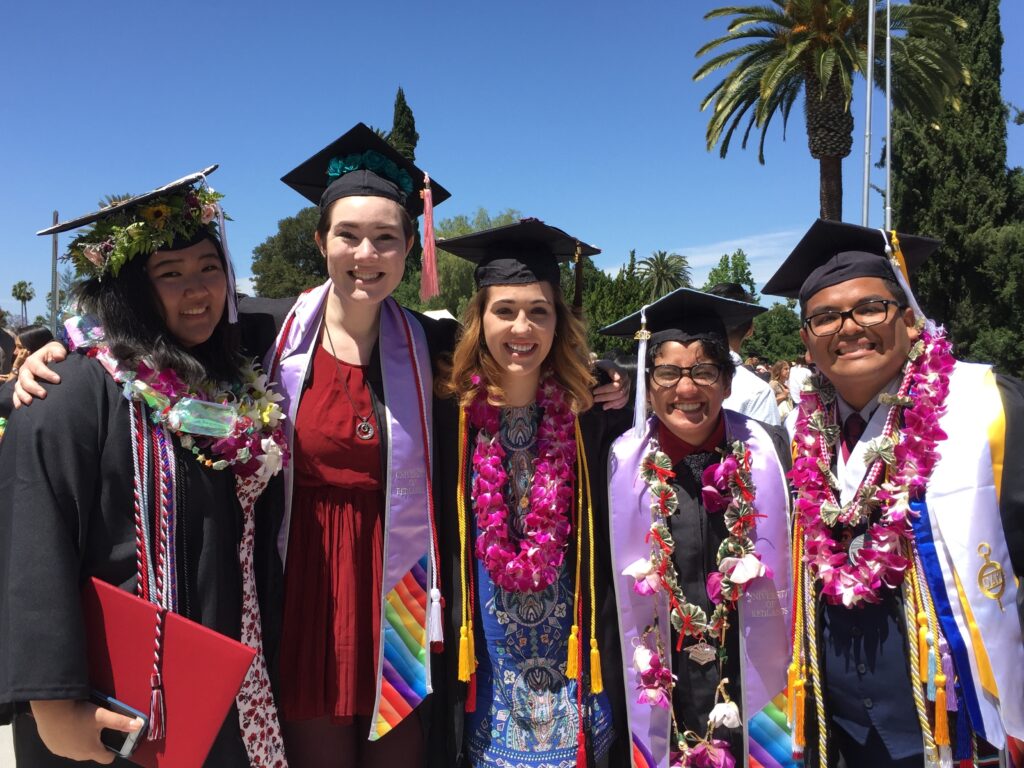
Elizabeth’s own path illustrates why that work matters.
A change in her family’s circumstances transformed what paying for college looked like almost overnight. Years later, she is putting her experience, education, and love of writing to work advocating for policies that can make college more affordable, navigable, and equitable for the students coming behind her.
Through the Steve Weiner and David Wolf Founder Fellowship Program, emerging higher education advocates like Elizabeth gain hands-on experience turning research, lived experience, and ideas into policy advocacy that can improve opportunities for California students.
You can help prepare the next generation of advocates to carry this work forward. Your support of the Founder Fellowship Program helps fellows develop the skills, experience, and relationships they need to shape policies that put students first and expand college opportunity across California.
Support the next generation of higher education advocates and help create a more equitable path for the students who follow.